In today’s fast-moving digital world, texting slang is everywhere. From short forms to emojis, people love communicating quickly and casually. One abbreviation that often confuses people is “HY”. If you’ve ever received a message with “HY” and wondered what it means, you’re not alone 🤔.
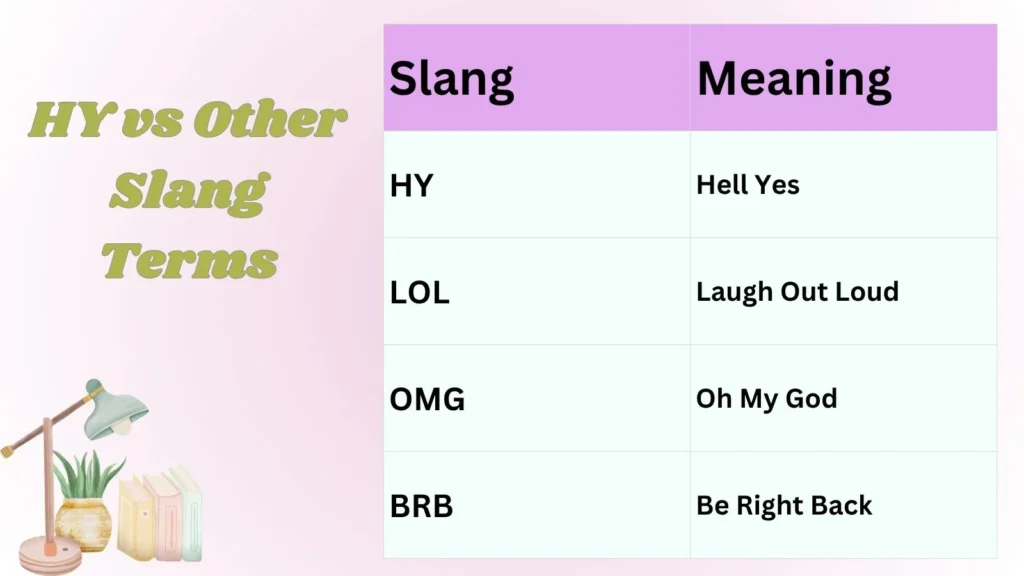
What does HY mean in text? Simply put, it usually stands for “Hell Yes” — a strong and excited way of saying yes. But depending on the context, it can also have a few other meanings. In this complete guide, you’ll learn everything about HY, including its origin, usage, examples, and how to respond properly.
Always look at the conversation context to understand the correct meaning.
Origin of HY in Texting 🌐
The abbreviation HY comes from the trend of shortening phrases for faster typing. As texting and social media grew, people began using short forms like LOL, BRB, and HY.
Why HY became popular:
Quick typing ⌨️
Casual communication style
Fits social media culture
Real-Life Examples of HY 📊
Here are some practical examples to help you understand better:
“HY, let’s do it!”
“HY bro, that sounds fun!”
“HY! I’m ready!”
When Not to Use HY ❌
While HY is useful, it’s not always appropriate.
Formal emails 📧
Professional communication 💼
Serious conversations ⚠️
Instead, use proper words like “Yes” or “Absolutely.”
I am Henry James and i am a passionate writer and language enthusiast behind PunPalace, a platform dedicated to exploring meanings, word origins, and simple explanations. My aims to make learning vocabulary easy, engaging, and accessible for everyone.